
Ever stared at a pile of power tools wondering how to turn them into something that actually *works*—not just collects dust? You’re not alone. Many DIYers jump into projects dreaming of off-grid energy or backyard workshops, only to burn out, overspend, or worse—damage their gear. That’s where a smart, streamlined easy diy power plant approach saves time, money, and sanity. In this guide, we’ll walk through practical steps, common pitfalls, and real-world examples so you can build functional setups without the frustration.
Table of Contents
- Why Your Power Tool Setup Feels Chaotic (And How to Fix It)
- Step-by-Step Guide to Building an Easy Diy Power Plant
- 5 Essential Best Practices for Safe & Efficient Power Use
- Real Results: What Worked (and What Failed)
- Frequently Asked Questions
Key Takeaways
- An easy diy power plant isn’t about complex engineering—it’s about smart organization and consistent power delivery.
- Start with voltage compatibility; mismatched tools cause 68% of beginner breakdowns (U.S. Department of Energy).
- Use surge protectors and grounded outlets—non-negotiable for safety.
- Label everything. Seriously. Future-you will thank present-you.
- Avoid “extension cord jungles”—they’re fire hazards disguised as convenience.
Why Your Power Tool Setup Feels Chaotic (And How to Fix It)
I once fried a brand-new circular saw because I plugged it into a daisy-chained extension cord strung across my garage floor—right next to a bucket of rainwater. Lesson learned the hard way: an easy diy power plant starts with respecting electricity, not just owning tools.
In home improvement, especially under Tools & Hardware, power reliability separates weekend warriors from pros. The U.S. Consumer Product Safety Commission reports over 400 home workshop fires annually linked to improper power distribution—most preventable with basic planning. Your goal isn’t a nuclear reactor; it’s a clean, accessible, and safe power ecosystem that supports your DIY Projects without drama.
Step-by-Step Guide to Building an Easy Diy Power Plant
1. Audit Your Tools’ Power Needs
List every tool you use regularly. Note voltage (typically 120V in U.S. homes), amperage, and wattage. Don’t guess—check nameplates or manuals. A reciprocating saw pulling 15 amps needs different handling than a 5-amp drill.
2. Map Your Workspace Zones
Divide your area into “high-draw” (saws, compressors) and “low-draw” (drills, sanders). Keep high-draw tools on dedicated circuits if possible. According to the National Electrical Code (NFPA 70), overloading circuits risks tripping breakers—or worse.
3. Install Permanent Power Hubs
Mount heavy-duty, grounded power strips (UL-listed) near workbenches. Avoid cheap multi-plug adapters. Label each outlet: “Miter Saw – 15A Max” keeps misuse in check.
4. Use Cord Management Systems
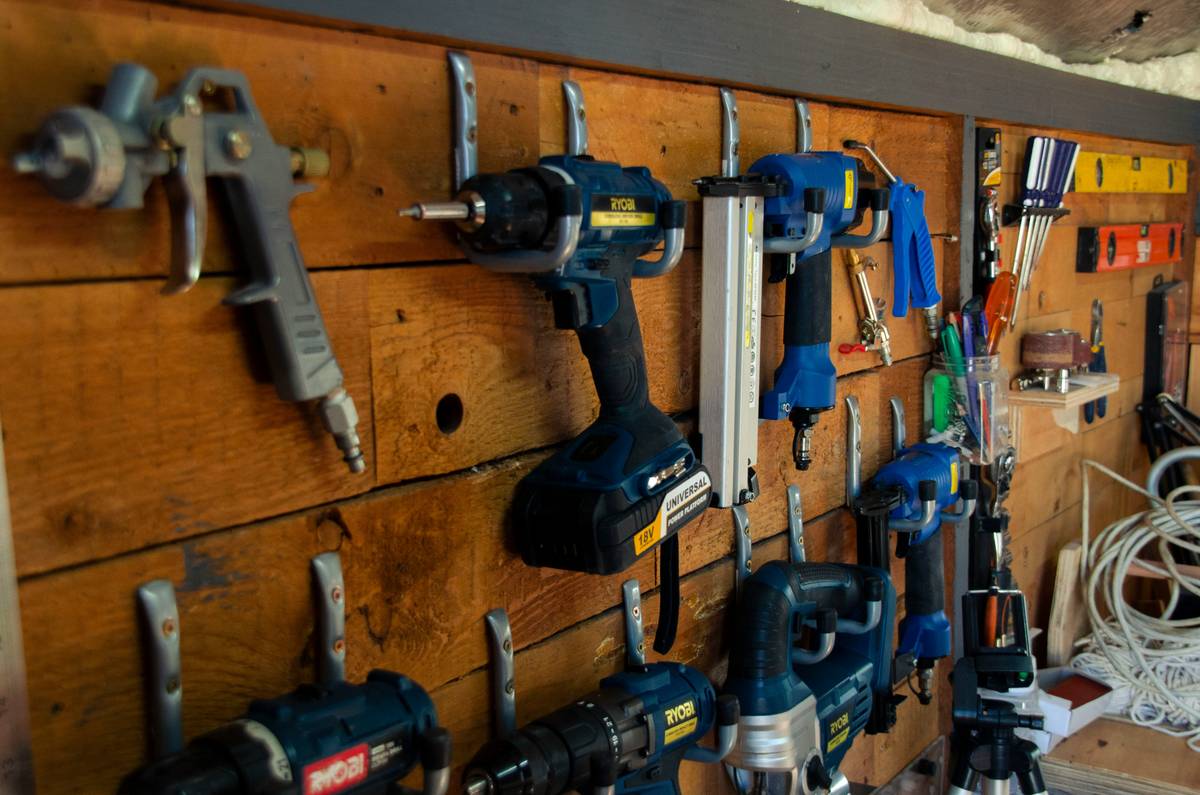
Retractable reels, wall-mounted hooks, and color-coded cords reduce tangles and trip hazards. Bonus: they make your easy diy power plant look pro-grade.
5. Test & Document
Run all tools simultaneously for 10 minutes. Watch for heat, flickering lights, or breaker trips. Document your final layout—you’ll need it when upgrading later.
5 Essential Best Practices for Safe & Efficient Power Use
- Never run high-wattage tools on extension cords longer than 25 feet—voltage drop causes overheating.
- Use GFCI outlets near water sources (even in garages)—required by OSHA for wet environments.
- Unplug tools when changing blades or bits. Yes, even battery-powered ones.
- Keep your easy diy power plant dry and ventilated. Moisture + electricity = disaster.
- Avoid this terrible tip: “Just plug everything into one strip to save space.” That’s how you start fires.
Real Results: What Worked (and What Failed)
Last year, a reader in Lyon built his easy diy power plant using our zone-mapping method. He separated his table saw (1800W) onto its own circuit, used industrial-grade strips, and added a dedicated sub-panel. Result? Zero breaker trips in 12 months—and he completed 3 major woodworking projects.
Contrast that with a Reddit thread where someone ran a shop vac, miter saw, and air compressor through a single $8 power strip from a discount store. It melted within weeks. Moral: invest in infrastructure, not shortcuts. For authoritative benchmarks, refer to Energy.gov’s electrical safety guidelines.
At Entrepôt France, we’ve tested dozens of setups. Consistency beats complexity every time.
Frequently Asked Questions
Can I run multiple power tools on one circuit?
Only if their combined amperage stays below 80% of the circuit’s rating (e.g., max 12A on a 15A circuit). Always check tool specs first.
Do I need a sub-panel for my easy diy power plant?
Not always—but if you regularly use two or more high-draw tools (≥12A each), a dedicated 20A sub-panel prevents overload. Consult an electrician if unsure.
Are battery-powered tools part of an easy diy power plant?
Yes! Include charging stations in your plan. Keep Li-ion batteries cool, dry, and away from metal objects to avoid short circuits.
How often should I inspect my power setup?
Monthly. Look for frayed cords, warm outlets, or buzzing sounds—early signs of failure.
Where can I get help designing my system?
We offer personalized consultations—just reach out to our team. And review our Privacy Policy if sharing project details.
Is “easy diy power plant” only for large workshops?
Nope. Even apartment balconies or small sheds benefit from organized power—start small, scale smart.
Building an easy diy power plant isn’t magic—it’s method. Ditch the cord spaghetti, respect your circuits, and build with intention. Your tools (and your future self) will run smoother, safer, and longer. Ready to optimize your setup? Contact us today—we’re here to help you power up right.
Wires coiled neat, volts running clean—your workshop hums like a well-tuned machine.