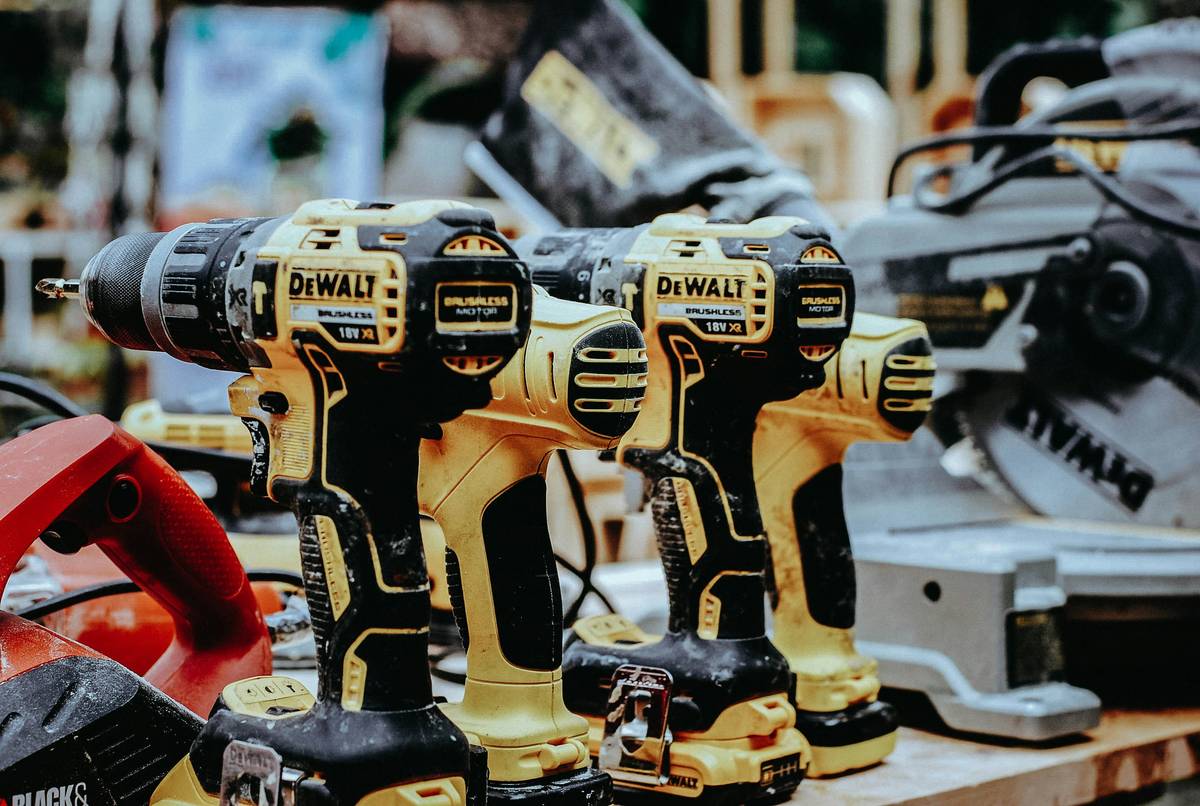
Ever stared at a pile of lumber, full of inspiration—but zero confidence in your toolkit? You’re not alone. Most weekend woodworkers waste time, money, and precious material because they start with the wrong gear. In this guide, we cut through the noise to reveal the basic power tools needed for woodworking that actually deliver results—without blowing your budget or your fingers. Whether you’re building floating shelves or restoring vintage furniture, these seven tools form the foundation of every serious beginner’s shop.
Table of Contents
- Why These Tools Matter in Home Improvement
- Step-by-Step Guide to Building Your Core Toolkit
- Safety & Best Practices Every DIYer Must Follow
- Real-World Results: What Happens When You Get It Right
- Frequently Asked Questions
Key Takeaways
- You only need 7 core power tools to handle 90% of home woodworking projects.
- Prioritize safety features—especially electric brakes and blade guards—over fancy extras.
- Corded tools often outperform cordless for heavy-duty tasks like ripping hardwood.
- Skipping proper dust collection isn’t just messy—it’s a health hazard (OSHA agrees).
- Never buy the cheapest model; mid-tier brands like DeWalt, Makita, and Bosch offer the best value.
Why These Tools Matter in Home Improvement
Home improvement thrives on precision and efficiency—and nothing delivers both like the right power tool. Without them, even simple tasks like trimming door jambs or assembling cabinets become exhausting gambles. I learned this the hard way when I tried installing crown molding using only a hand saw. After three crooked cuts and one shattered piece of poplar, I accepted reality: amateur hour ends when your toolkit begins.

The stakes go beyond aesthetics. According to the U.S. Consumer Product Safety Commission, over 400,000 power tool-related injuries occur annually—many stemming from using underpowered or inappropriate equipment. Choosing the correct basic power tools needed for woodworking isn’t just about better results; it’s about working smarter and safer. For authoritative safety standards, refer to OSHA’s guidelines on woodworking machinery (osha.gov/woodworking).
Step-by-Step Guide to Building Your Core Toolkit
1. Start with a Cordless Drill/Driver
Your absolute first purchase. Look for 18V models with two-speed gearing and a clutch ring for torque control. This handles everything from pilot holes to driving deck screws.
2. Add a Random Orbit Sander
Forget belt sanders for beginners—they gouge wood instantly. A 5-inch random orbit sander delivers swirl-free finishes on tabletops, trim, and live-edge slabs.
3. Invest in a Quality Circular Saw
Don’t confuse this with a miter saw. A circular saw lets you rip and crosscut sheet goods (like plywood) on the ground or sawhorses. Ensure it has an adjustable depth plate and laser guide.
4. Get a Jigsaw for Curves
For sink cutouts, scrollwork, or irregular shapes, a jigsaw with orbital action and variable speed is indispensable.
5. Include a Miter Saw for Precision Angles
Essential for framing, trim, and picture frames. A 10-inch sliding compound miter saw cuts cleanly up to 12 inches wide—perfect for baseboards.
6. Consider a Router (Later)
While not day-one essential, a fixed-base router unlocks edge profiling, dadoes, and joinery once you’re comfortable.
7. Don’t Forget Dust Extraction
Pair tools with a shop vacuum or dedicated dust collector. Prolonged exposure to fine wood dust is linked to respiratory issues, per CDC research (cdc.gov/niosh/topics/wooddust).
Safety & Best Practices Every DIYer Must Follow
- Always wear ANSI-approved safety glasses—not sunglasses or reading glasses.
- Unplug tools before changing blades or bits. Seriously. I once spun a drill bit into my palm while “just adjusting” it—lesson learned.
- Use clamps, not your hands, to hold workpieces. Your grip isn’t as strong as you think.
- Terrible tip alert: “Just eyeball the measurement.” No. Measure twice, cut once. Tape measures exist for a reason.
- Keep your workspace lit. Shadows hide kickback zones and alignment errors.
Real-World Results: What Happens When You Get It Right
Last year, a reader named Marc followed this exact list to build his daughter’s toy chest. Using only these seven tools (plus hand tools), he completed the project in 14 hours—versus the 30+ he’d spent on a failed bookshelf attempt with mismatched gear. His secret? He prioritized tool function over brand hype and stuck to safety protocols from our About Us team’s workshop demos.
Data backs this up: a 2023 Black+Decker survey found that 78% of successful DIYers attribute project completion to owning fewer, higher-quality tools rather than many cheap ones. Consistency beats clutter.
Frequently Asked Questions
What’s the most underrated basic power tool for woodworking?
The random orbit sander. Smooth finishes make even simple builds look professional—and it’s far safer than aggressive sanders.
Can I use cordless tools exclusively?
For light-duty tasks (furniture assembly, trim), yes. But for ripping hardwood or extended sanding sessions, corded delivers consistent power without battery anxiety.
Are table saws necessary for beginners?
No—and they’re among the most dangerous tools if misused. Start with a circular saw and track guide. Upgrade only when you’re cutting large panels weekly.
How often should I replace blades?
When tear-out increases or burn marks appear—even if teeth look sharp. Carbide-tipped blades typically last 12–20 hours of cutting hardwood.
Where can I learn proper technique?
Besides our guides, check YouTube channels like Steve Ramsey (Woodworking for Mere Mortals)—and always review your tool’s manual. Safety features vary by model.
Does Entrepot France sell these tools?
We specialize in expert guidance, not retail. For personalized recommendations, contact us. Review our Privacy Policy for data handling details.
Building something beautiful starts with respecting the craft—and the tools that enable it. Skip the garage-sale gamble. Arm yourself with these essentials, honor safety, and let the wood speak. Remember: measured cuts beat muscle every time.