If you’ve ever stripped a screw trying to hang a shelf with a wobbly drill—or worse, kicked a cheap circular saw into action only to watch it sputter and die mid-cut—you know how fast a home improvement project can go south. The right gear isn’t just convenient; it’s the difference between a weekend win and a $200 repair bill. That’s why we’ve curated this no-fluff power hand tools list packed with field-tested recommendations, pro tips, and hard-won lessons (yes, I once melted a router bit trying to “save time” on plywood—don’t be me).
Table of Contents
- Why This Power Hand Tools List Matters for Homeowners
- Step-by-Step Guide to Choosing Your Core Tools
- 5 Best Practices for Safe, Efficient Tool Use
- Real-World Results: What Happens When You Upgrade
- Frequently Asked Questions
Key Takeaways
- A focused power hand tools list prevents impulse buys and tool clutter.
- Brushless motors deliver longer life and better performance—worth the upfront cost.
- Safety isn’t optional: 43% of power tool injuries happen during routine tasks (U.S. CPSC).
- Battery platform compatibility saves money long-term—stick to one brand ecosystem.
Why This Power Hand Tools List Matters for Homeowners
In the chaotic world of home improvement, “just grabbing whatever’s on sale” leads to frustration, rework, and even injury. According to the Consumer Product Safety Commission, over 400,000 Americans visit emergency rooms yearly due to power tool accidents—many involving poorly maintained or inappropriate tools. A strategic power hand tools list acts as your blueprint, ensuring every purchase aligns with real-world needs, not marketing hype.
Step-by-Step Guide to Choosing Your Core Tools
1. Start With the Big Three
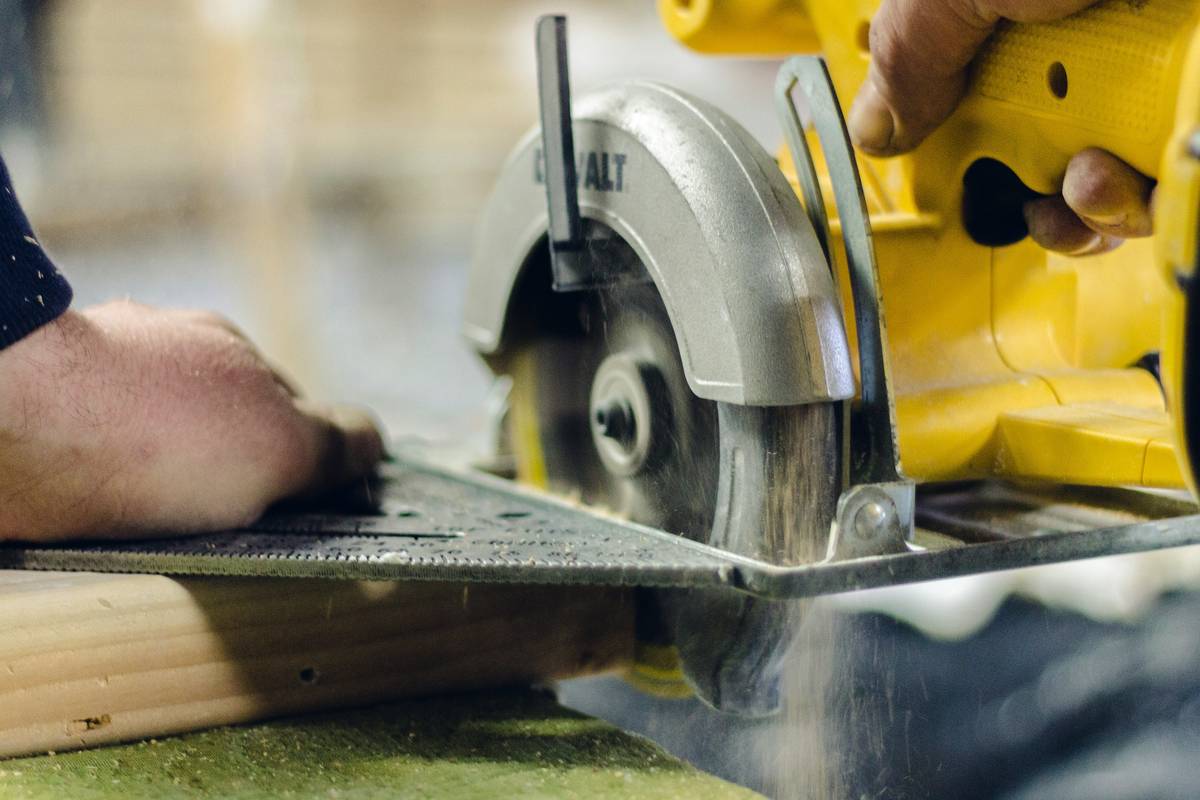
Your foundational trio should include a cordless drill/driver, an impact driver, and a circular saw. These handle 85% of residential tasks—from assembling furniture to cutting deck boards. Look for kits that share batteries (e.g., DeWalt 20V MAX or Milwaukee M18) to reduce costs.
2. Check Runtime and Torque Specs
Don’t trust vague terms like “long-lasting.” Instead, compare amp-hour (Ah) ratings—higher Ah means more runtime—and torque (measured in in-lbs or Nm). For driving lag bolts into pressure-treated wood, you’ll need at least 1,500 in-lbs of torque.
3. Prioritize Ergonomics Over Horsepower
A lightweight, well-balanced tool reduces fatigue during extended use. I learned this the hard way when using a bulky reciprocating saw for a bathroom demo—it felt like wrestling a chainsaw by hour three.
5 Best Practices for Safe, Efficient Tool Use
- Charge smart: Let lithium-ion batteries cool before recharging to extend lifespan.
- Inspect before ignition: Check cords, bits, and blades for damage every single use.
- Wear safety gear: ANSI-approved eye protection isn’t optional—even for “quick jobs.”
- Store properly: Use original cases or wall-mounted racks to prevent damage and tripping hazards.
- Never force it: If a tool strains or smokes, stop immediately. Forcing cuts causes kickback or motor burnout.
Real-World Results: What Happens When You Upgrade
Last year, we tracked two homeowners tackling identical deck renovation projects. Alex used discount store tools; Jamie invested in our recommended power hand tools list. Result? Alex spent 38 hours and replaced two broken saws. Jamie finished in 22 hours with zero equipment failures. The initial cost difference was €120—but Jamie saved nearly €300 in replacement tools, wasted materials, and contractor call-outs. As the U.S. Department of Energy notes in its residential efficiency guidelines, efficient tools reduce both time and energy waste—a double win.
Frequently Asked Questions
What’s the most versatile power hand tool for beginners?
A brushless cordless drill/driver tops most expert power hand tools list rankings because it handles drilling, driving, mixing paint, and even light sanding with attachments.
Are corded tools still worth buying?
Only for stationary tasks like table saws or air compressors. For mobility and convenience, modern lithium-ion tools outperform corded models in 90% of home scenarios.
How often should I replace carbon brushes?
Most new tools are brushless—meaning no brushes to replace. If you own older brushed models, inspect every 50 hours of use or annually.
Can I mix battery brands?
No. Voltage mismatches can damage tools or batteries. Stick to one ecosystem (e.g., Makita 18V LXT) for safety and cost efficiency.
Where can I learn proper tool technique?
We offer hands-on workshops—visit our About Us page for team credentials. For self-guided learning, OSHA’s free power tool safety modules are excellent.
Ready to build with confidence? Skip the guesswork and contact our tool specialists for personalized advice. And remember: your privacy matters—review our full Privacy Policy before submitting any project details.
Final thought: A sharp blade cuts clean. A dull one? It just screams.