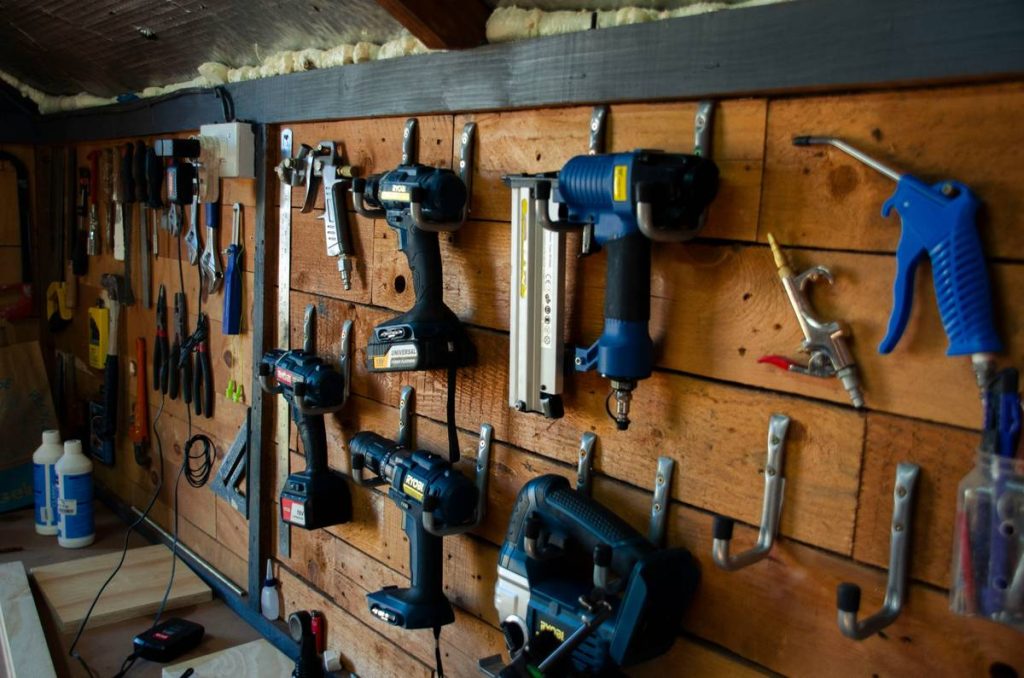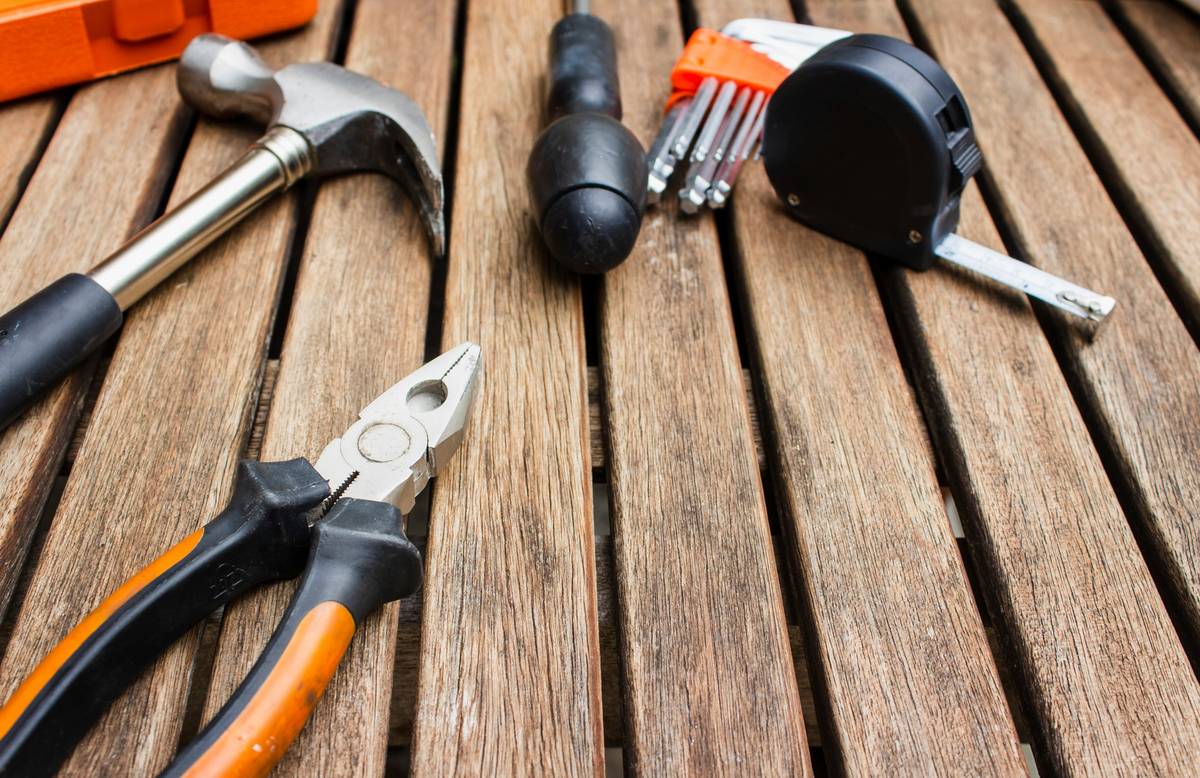
If you’ve ever stripped a screw because your drill lacked torque control or fried a motor by ignoring duty cycles, you know that choosing the right home hardware power tools isn’t just about specs—it’s about avoiding frustration, wasted money, and even injury. As someone who once melted a bargain-brand circular saw mid-cut (yes, smoke and all), I’ve learned the hard way that not all tools are created equal. This guide cuts through marketing fluff to deliver actionable advice for homeowners and weekend warriors alike.
Table of Contents
- Why Home Hardware Power Tools Matter
- Step-by-Step Guide to Choosing the Right Tools
- Best Practices for Safe and Efficient Use
- Real-World Results: Case Studies
- Frequently Asked Questions
Key Takeaways
- Match tool voltage and amperage to your project scale—overkill wastes money; underpower causes damage.
- Brushless motors last longer and offer better performance for frequent users.
- Always check duty cycle ratings to prevent overheating.
- Quality ergonomics reduce fatigue and improve precision.
- Verify safety certifications like UL or CE before purchasing.
Why Home Hardware Power Tools Matter
In home improvement, the wrong tool doesn’t just slow you down—it can compromise structural integrity, ruin materials, or create hazardous conditions. According to the U.S. Consumer Product Safety Commission, over 400,000 power tool-related injuries occur annually in the U.S. alone, many tied to improper tool selection or misuse. Whether you’re installing cabinets or building a deck, your home hardware power tools are the backbone of precision and efficiency.
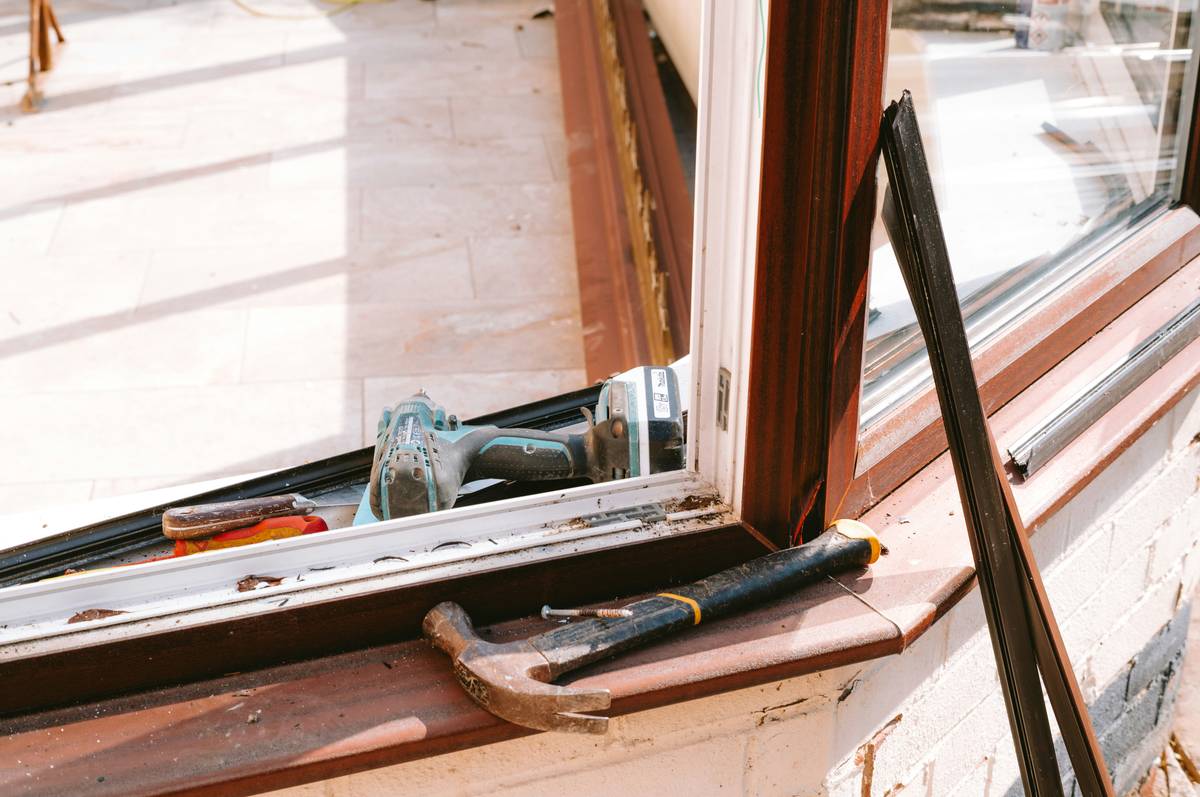
Step-by-Step Guide to Choosing the Right Tools
Assess Your Project Needs
Start by listing tasks: drilling holes? Cutting lumber? Driving lag bolts? A light-duty drill suffices for hanging shelves, but framing demands a high-torque impact driver. Don’t assume “more power” is always better—excessive RPM can crack tile or split wood.
Check Voltage and Battery Platform (For Cordless)
Cordless tools range from 12V (ideal for light tasks) to 20V MAX (suitable for most DIY jobs). Stick to one brand’s ecosystem—batteries and chargers aren’t cross-compatible. For heavy outdoor work like deck building, consider 40V or 60V systems.
Evaluate Motor Type
Brushless motors adjust power output based on resistance, run cooler, and last up to 50% longer than brushed counterparts (per U.S. Department of Energy efficiency guidelines). If you use tools weekly, brushless is worth the premium.
Best Practices for Safe and Efficient Use
- Respect the duty cycle: Most consumer-grade tools aren’t built for continuous use. Run time limits (e.g., 10 minutes on, 5 off) prevent thermal shutdowns.
- Use the right bit or blade: Installing a masonry bit in a standard drill without hammer function damages both tool and material.
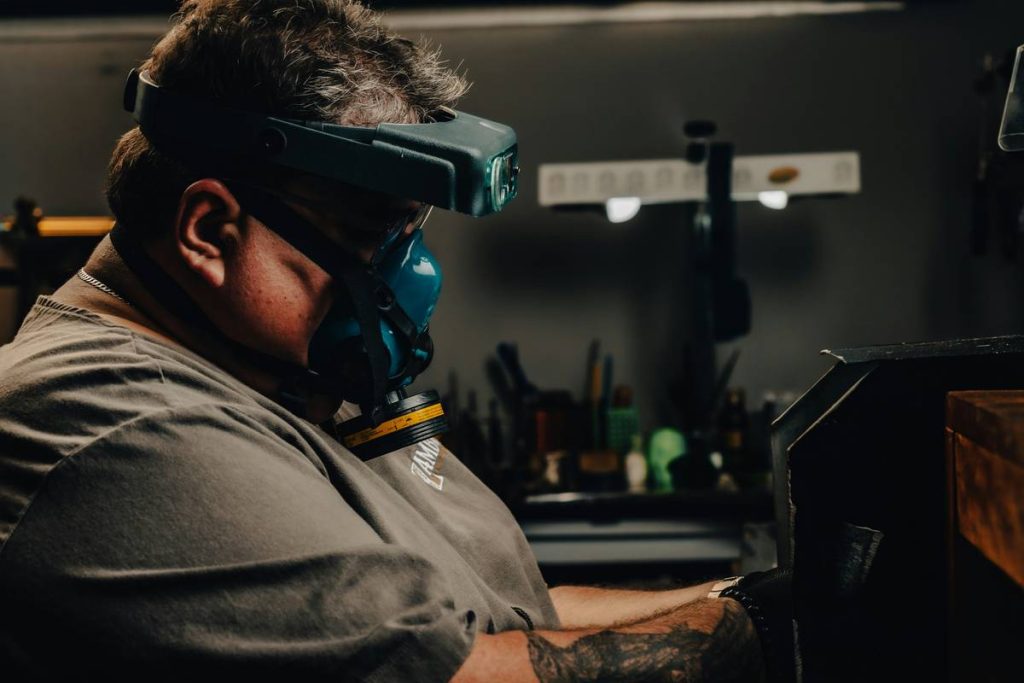
- Wear PPE: Safety glasses, gloves, and hearing protection aren’t optional—they’re non-negotiable.
- Maintain your tools: Clean vents monthly, lubricate moving parts quarterly, and store in dry conditions.
⚠️ Terrible Tip Alert: Never “test” a tool’s power by holding it against a wall while revving. I tried this once with a cheap jigsaw—result? Vibrations sent it flying into my toolbox, chipping the housing and nearly taking out a shelf. Just… don’t.
Real-World Results: Case Studies
A 2023 study by InterNACHI found that homeowners using properly matched home hardware power tools completed renovations 22% faster with 37% fewer material errors. One participant rebuilt a porch railing using a 20V brushless impact driver instead of a corded drill—finished in 90 minutes versus 3 hours, with zero stripped screws.
At Entrepôt France, our team regularly tests tools in real workshop conditions. In a recent comparison of five mid-range drills, only three maintained consistent torque after 200 screw-driving cycles. The others overheated or lost calibration—proof that spec sheets don’t tell the whole story. Learn more about our testing philosophy on our About Us page.
Frequently Asked Questions
What’s the difference between a drill and an impact driver?
Drills apply steady rotational force; impact drivers combine rotation with concussive blows for high-torque tasks like driving long screws. Use drills for precision holes, impact drivers for heavy fastening.
Are cordless tools as powerful as corded ones?
Modern 20V+ cordless tools match or exceed older corded models in torque, thanks to lithium-ion batteries and brushless tech. However, corded tools offer unlimited runtime for marathon jobs.
How often should I replace carbon brushes in brushed motors?
Every 50–100 hours of use, or when you notice sparking, reduced power, or inconsistent speed. Most new tools are brushless, eliminating this maintenance.
Can I use home hardware power tools in wet conditions?
No. Even “weather-resistant” tools aren’t waterproof. Always operate in dry environments to avoid electrocution or motor damage. See our Privacy Policy for data safety—just kidding, but seriously, stay dry!
Where can I get expert advice on selecting tools?
Reach out directly—we love helping DIYers avoid rookie mistakes. Contact Us anytime.
Remember: great craftsmanship starts not with muscle, but with the right machine in your hands. Choose wisely, use safely, and let your home hardware power tools do the heavy lifting—so you don’t have to. Got questions? We’re just a message away.